
Grana Padano vs Parmigiano Reggiano: key differences and why they matter in Italian cuisine
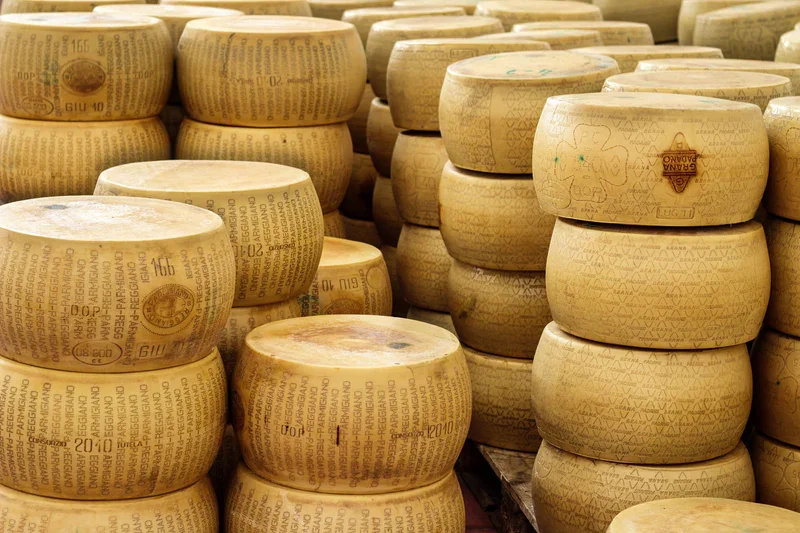
In Italian cuisine, ingredients are not a minor detail. Quality, origin, and processing make all the difference in the final flavor of each dish. One of the clearest examples is the comparison between Grana Padano and Parmigiano Reggiano, two well-known Italian cheeses that, although often confused, have important differences.
At Angelo Restaurants, where we are committed to authentic Italian cuisine in Andorra, knowing these differences is key to understanding why each ingredient is chosen with care.
Origin and designation of origin
Both Grana Padano and Parmigiano Reggiano have Protected Designation of Origin (PDO) status, but they are not the same product.
Parmigiano Reggiano PDO can only be produced in very specific areas of Italy: Parma, Reggio Emilia, Modena, and parts of Bologna and Mantua. Its production is strictly regulated, from the cows' diet to the minimum maturation times.
Grana Padano PDO, on the other hand, is produced in a larger area of northern Italy. Its regulations allow for more flexibility in the production process, resulting in an excellent cheese with different characteristics.
Differences in the manufacturing process
One of the major differences between the two cheeses lies in how they are made:
Parmesan cheese
Raw milk, without additives or preservatives
Minimum aging period of 12 months (usually 24 months or more)
Highly controlled artisanal production
Grana Padano
It may include natural preservatives such as lysozyme.
Minimum maturation period of 9 months
More standardized production
These factors directly influence the flavor, texture, and complexity of the cheese.
Flavor, texture, and culinary uses
Parmigiano Reggiano stands out for its more intense, deep, and complex flavor, with nuances that evolve as it matures. Its texture is more grainy and dry, making it ideal for grating, finishing dishes, and recipes where cheese should take center stage.
Grana Padano is milder, less salty, and has a slightly creamier texture. It works very well in dishes where balance is sought rather than a dominant flavor.
Which is better? It depends on the dish.
It is not a question of deciding which is "better," but rather which is most suitable for each recipe. In Italian cuisine, ingredients are chosen based on the desired end result.
At Angelo Restaurants, we use Italian cheeses with designation of origin because they bring authenticity and consistency to the menu. Parmigiano Reggiano, for example, is key in dishes where cheese must provide character, depth, and a clean, elegant finish.
The importance of choosing PDO ingredients in Andorra
Choosing ingredients with Protected Designation of Origin status is a way of respecting Italian tradition and guaranteeing quality. In an Italian restaurant in Andorra, this choice makes the difference between a correct recipe and an authentic experience.
At Angelo, we pay attention to these details because we believe that Italian cuisine is built on the origin of the product, not just the recipe.
Angelo Restaurants, Italian cuisine with discernment
Understanding the difference between Grana Padano and Parmigiano Reggiano means understanding how we work at Angelo: with respect for the product, gastronomic knowledge, and a menu designed to offer the best of Italy in Andorra.
Because when the ingredient is good, the dish speaks for itself.